Articles
Glacier Grey, the ice giant of Torres del Paine
Live the Grey Glacier with viewpoints, routes, and unique activities and discover how to visit this impressive Patagonian landscape through reliable experiences.
Outdoor Index
@outdoorindex.cl
The Grey Glacier is one of the most imposing colossi in Torres del Paine National Park and one of the most recognized postcards of Chilean Patagonia. Its huge walls of ice, the icebergs floating in Lake Grey, and the inhospitable environment that surrounds it make this landscape a must-visit destination for trekking, photography, and nature lovers. More than a glacier, it is a symbol of the extreme character of Patagonia and a living testimony of the geological history of southern Chile.
In this article, we explore in depth what the Grey Glacier is, where it is located, what its main characteristics are, the difference between Lake Grey and Grey River, its access routes, and its ecological and scientific importance.

What is the Grey Glacier?
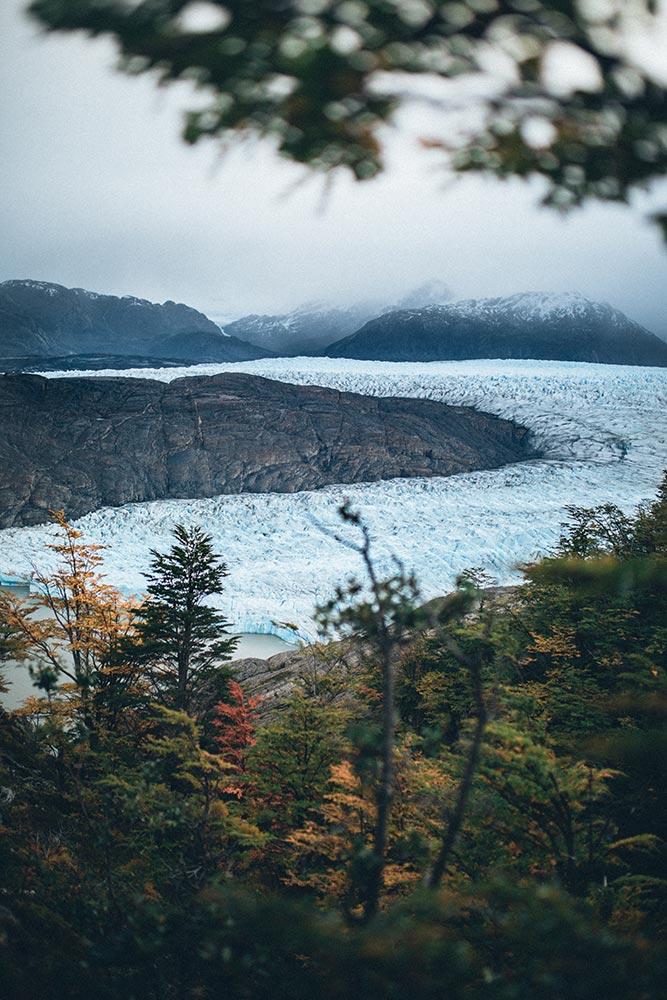
The Grey Glacier is a huge mass of ice that is part of the Southern Patagonian Ice Field, the third largest reserve of fresh water on the planet. It is classified as a valley glacier, as it flows slowly between mountainous reliefs until it reaches Lake Grey, where its main front is constantly breaking off.
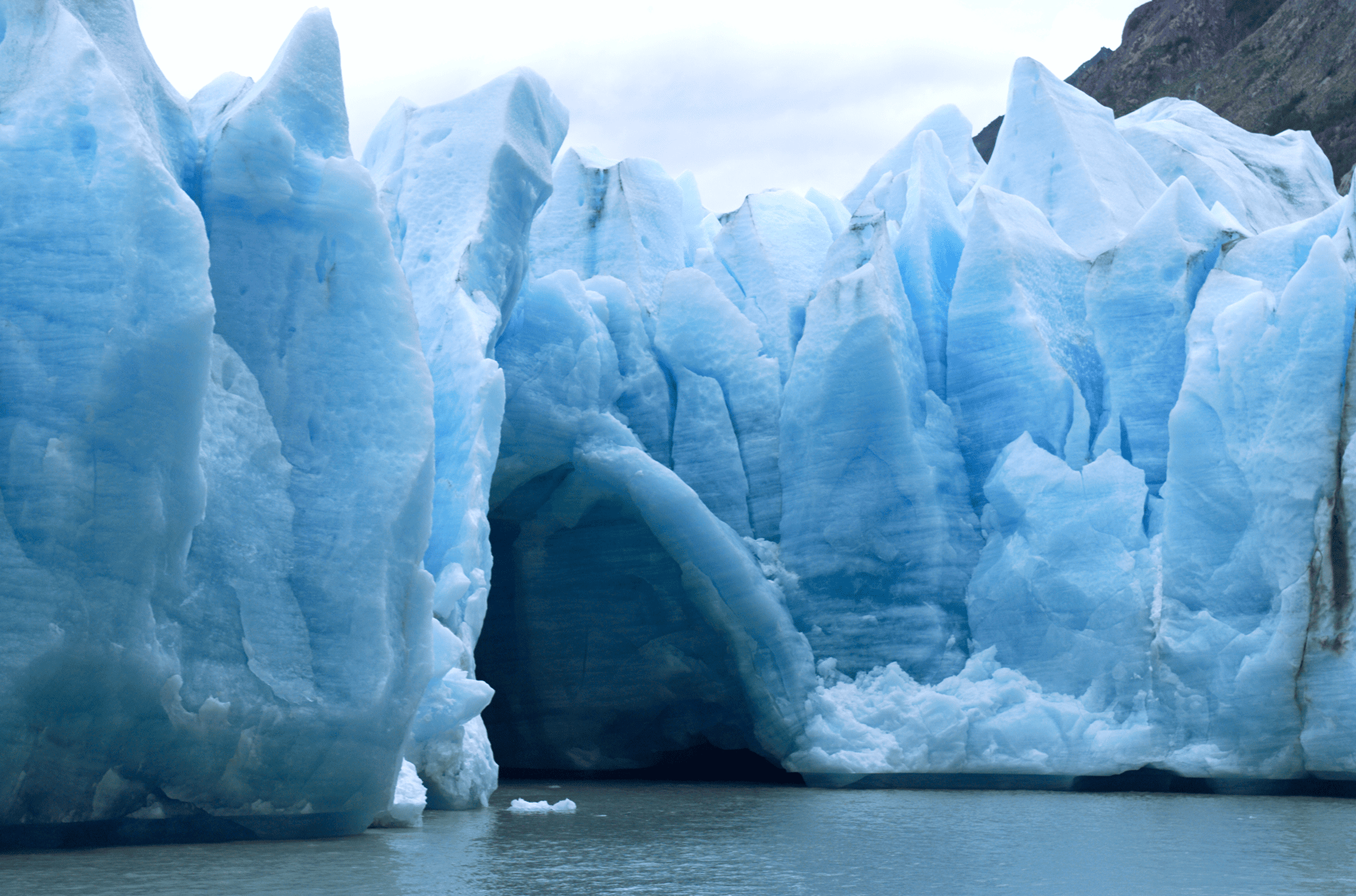
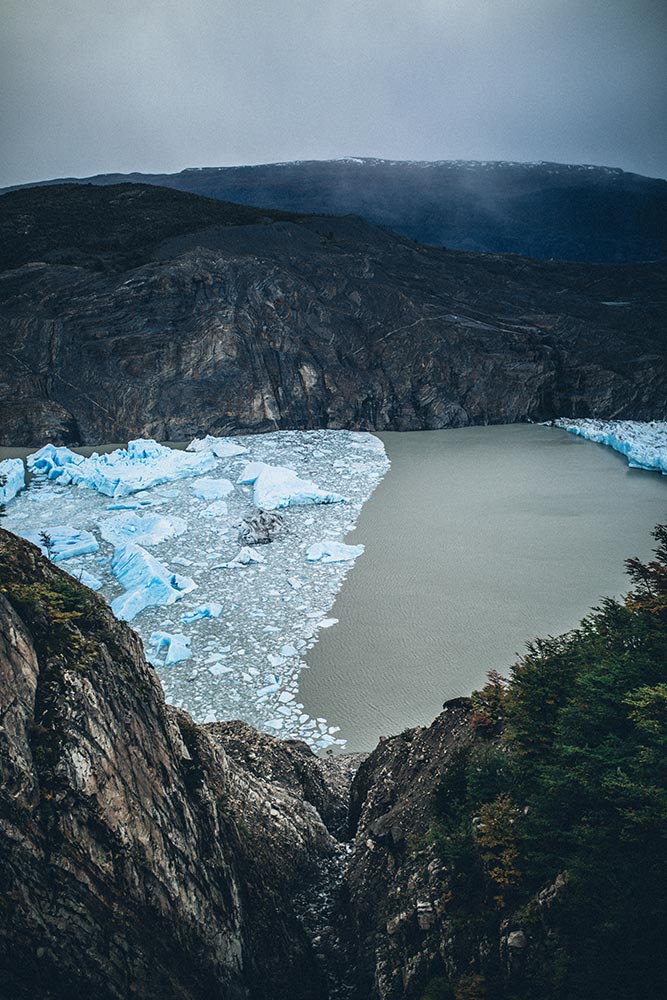
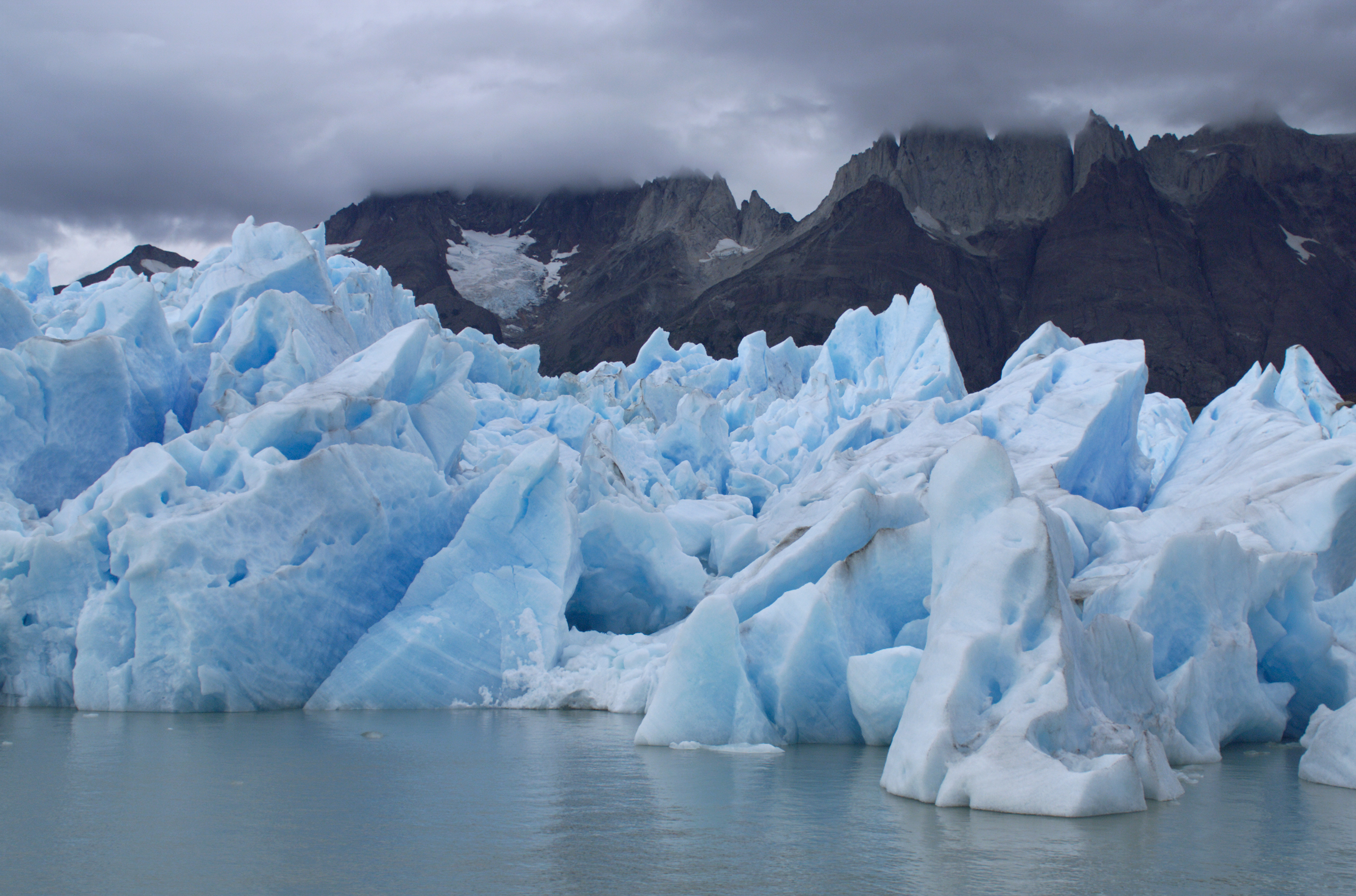
Throughout the year, large blocks of ice separate from the glacier in a process known as calving, forming the icebergs that float in the lake. These fragments have deep blue tones and changing shapes, molded by the wind and temperature. For science, the Grey Glacier is a key point for studying glacier retreat, ice dynamics, and the effects of climate change on subantarctic ecosystems.
Where is the Grey Glacier located?
The Grey Glacier is located in the Magallanes Region, within Torres del Paine National Park. Located in the western sector of the park, it is directly connected to the trails of the W Circuit and the O Circuit.
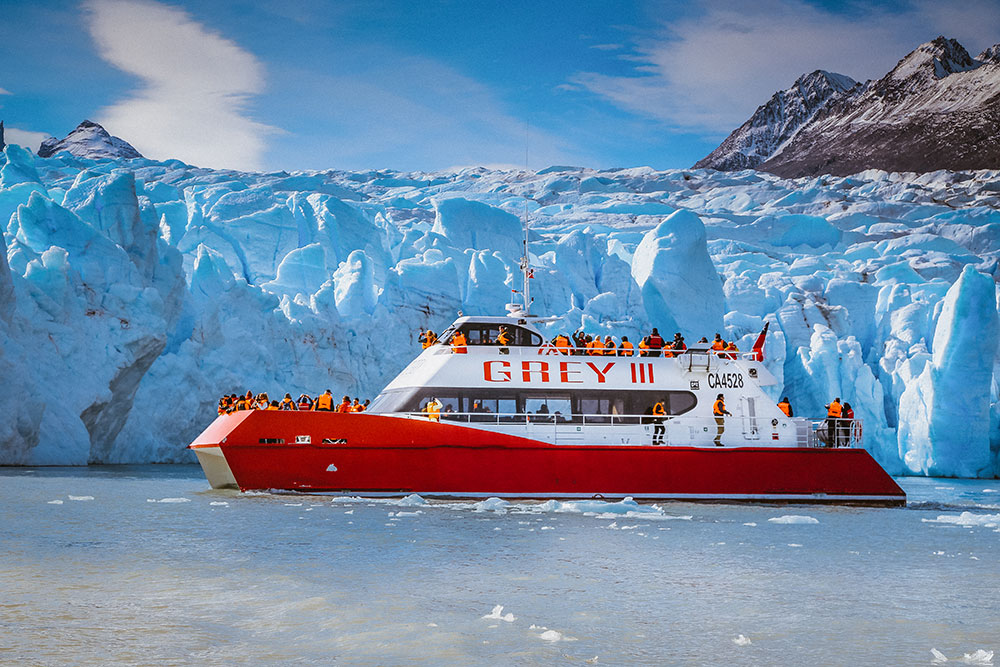
The viewpoints near Refugio Grey allow you to appreciate the glacier after a moderate walk. Navigation on Lake Grey offers a close view of the ice front and its icebergs. From Paso John Garner, one of the highest points of the O Circuit, you get one of the most spectacular views of the glacier. From Paine Grande, it is also possible to appreciate part of the lake and the ice blocks floating in the distance.
Main characteristics of the Grey Glacier
1. Impressive dimensions
With an approximate surface area of 270 km², nearly 6 km wide at its visible front, and ice walls exceeding 30 meters, the Grey Glacier is one of the largest and most accessible glaciers in Torres del Paine National Park.
2. Deep blue tones
Its oldest layers have intense blue tones due to ice compaction, which expels air and allows light to refract differently.
3. Icebergs in Lake Grey
The icebergs detached from the glacier float in the lake and vary in shape and size depending on the season and climate. This presence of floating ice is one of the most characteristic visual attractions of Torres del Paine.
4. Extreme climate
The Lake Grey area is known for its strong winds, which can exceed 80 km/h at certain times of the year. This Patagonian climate adds a challenging and dramatic component to the visitor's experience.
5. Retreating glacier
Like many glaciers in the region, the Grey Glacier has shown retreats in its mass over the last decades, becoming a key point for studies on climate change and conservation.
Why is it called the Grey Glacier?
The name "Grey" comes from Lake Grey, whose grayish tones become more evident on cloudy days. During the 19th century, British explorers mapped much of Patagonia, assigning English names to different sectors. Although there is no definitive record, everything indicates that the name is associated with the characteristic color of the water and the surroundings.
What is the difference between Lake Grey and Grey River?
Although they are connected, Lake Grey and Grey River serve different functions within the park's water system.
• Lake Grey
It is a glacial lake that directly receives water from the Grey Glacier and the detached icebergs. Its characteristic gray or turquoise color is due to suspended glacial flour. From the lake, navigations depart that allow you to approach the glacier front.
• Grey River
It is the natural outlet of Lake Grey. It starts right where the lake ends and flows south to join the Serrano River. It transports glacial water and nutrients, forming part of a vital ecosystem that sustains the biodiversity of the sector.
In summary
Lake Grey: basin where the glacier flows and where the icebergs float.
Grey River: natural outlet of the lake that continues the water's journey south.
How to visit the Grey Glacier
Visiting the Grey Glacier is an experience that can be lived in different ways depending on the type of adventure you are looking for. From navigations that approach the glacier front to iconic treks like the W Circuit and the O Circuit, or more dynamic activities like kayaking among icebergs, each alternative offers a unique perspective of this ice colossus. Below, we present the main options for exploring the Grey Glacier and choosing the one that best suits your travel style.
1. Lake Grey Navigation
Navigation is one of the most popular ways to approach the glacier. The tour allows you to observe the icebergs and appreciate the ice front from a safe and panoramic distance.
Book your Lake Grey Navigation here

2. Trekking the W Circuit
The W Circuit includes iconic viewpoints such as Mirador Grey and points near Refugio Grey. It is one of the most accessible routes to have direct views of the glacier.
See guided W Circuit excursion

3. Trekking the O Circuit
The O Circuit completely surrounds the Paine massif and offers one of the most impressive views of the glacier from Paso John Garner. It is a demanding but unforgettable route.
See guided O Circuit excursion

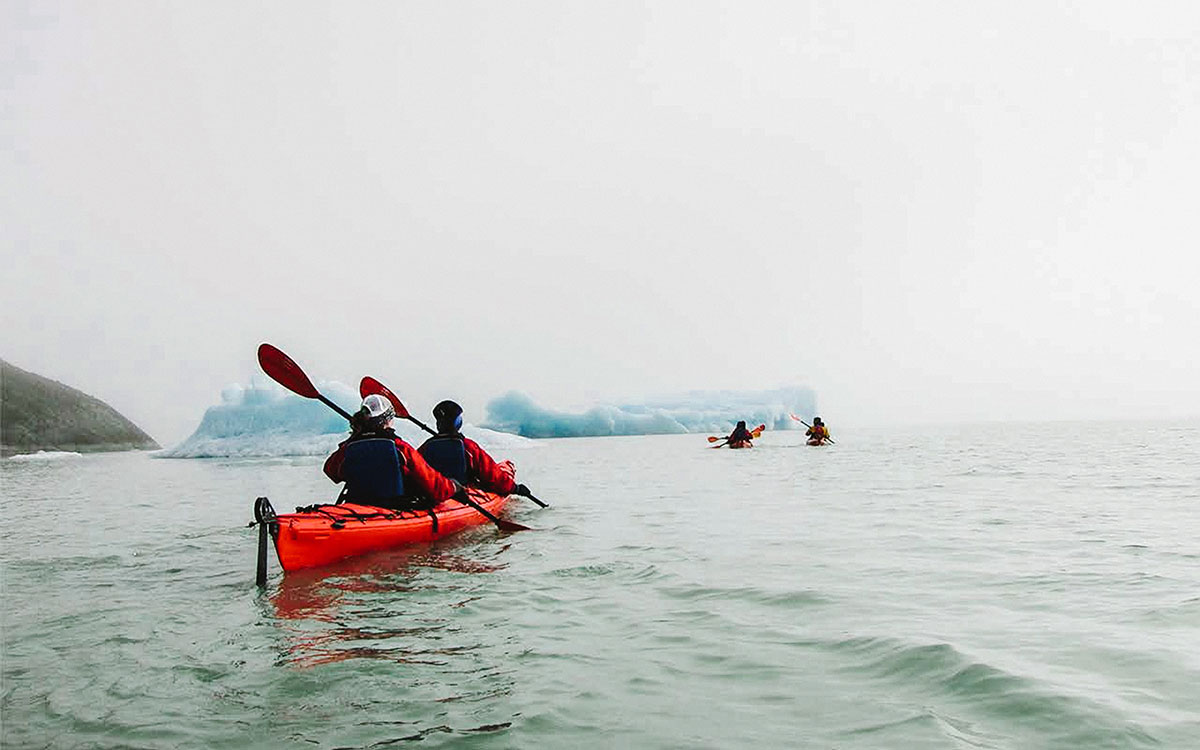
4. Kayaking on Grey River
The Grey River Kayak allows you to paddle among icebergs and experience a close encounter with glacial water, accompanied by expert guides and with all necessary safety measures.
Book your Full Day Grey River Kayak

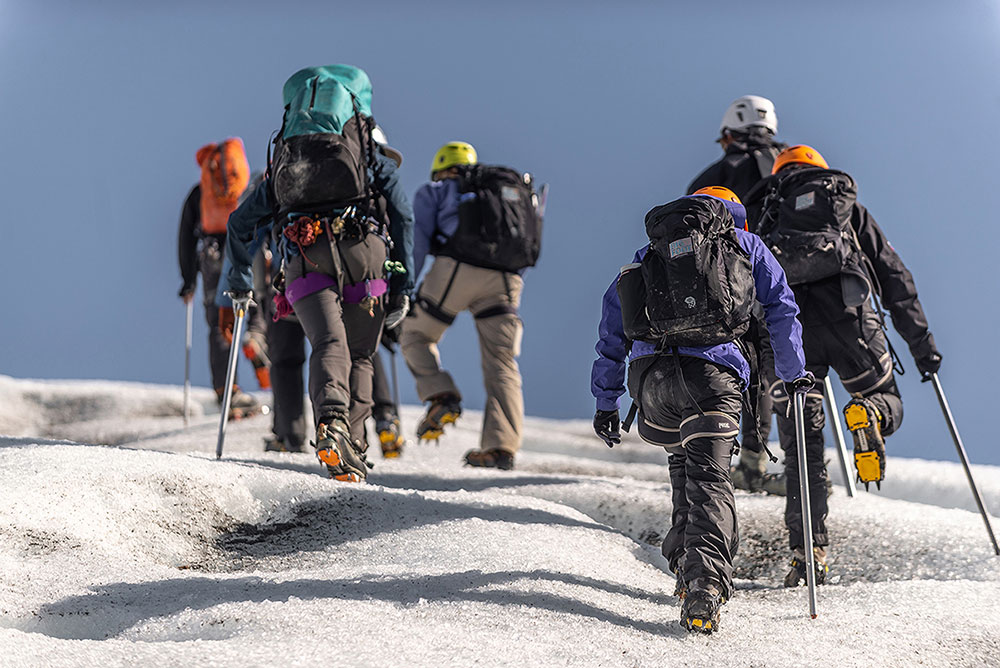
5. Hiking on the Grey Glacier
One of the most intense and memorable experiences is walking directly on the ice of the Grey Glacier. This specialized walk allows you to explore crevasses, deep blue formations, and safe areas of the glacier accompanied by certified guides. It is an ideal activity for those seeking a technical but accessible adventure, with direct and respectful contact with the environment.
Book your hike on the Grey Glacier here

Ecological and scientific importance of the Grey Glacier
The Grey Glacier plays a key role in the ecological balance of the park. It regulates the local climate, stores large amounts of fresh water, and provides essential nutrients to the lake and river. In addition, its retreat serves as an indicator of the effects of climate change in the region.
Species such as condors, foxes, guanacos, and subantarctic birds inhabit the surroundings of the glacier, all adapted to the harshness of the Patagonian climate.

Experiences designed for travelers looking for something more
At Outdoor Index, we work to make discovering the Grey Glacier an authentic, well-planned experience backed by the best local operators. Our goal is to facilitate your trip with verified alternatives, certified guides, safe routes, and options for different levels of adventure. Navigations, guided treks, kayaking, and complete expeditions: we bring everything together in one place so you can compare, choose, and book without complications.
If you are planning your visit to Torres del Paine, we invite you to explore our selection of experiences and start building your adventure with confidence: Experiences in Torres del Paine
Outdoor Index
@outdoorindex.cl
Post a comment!
Comments