Back

Articles

Do trekking poles make hiking easier?

Discover why using trekking poles improves stability, reduces impact, and provides safety on mountain hikes and challenging trails.

Outdoor Index
@outdoorindex.cl

The use of trekking poles has shifted from being an optional accessory to becoming an increasingly common tool among hikers. Although they may seem unnecessary at first glance, their impact on the experience is more significant than many imagine. On mountain trails, where the terrain constantly changes and physical effort accumulates over the hours, small supports can make a big difference in how the hike is experienced.

More than making a hike "easier" in absolute terms, poles allow for more efficient, safe, and controlled navigation of the terrain. From the first use, many people notice how their walking style changes, especially on routes with elevation changes, uneven surfaces, or variable mountain conditions.

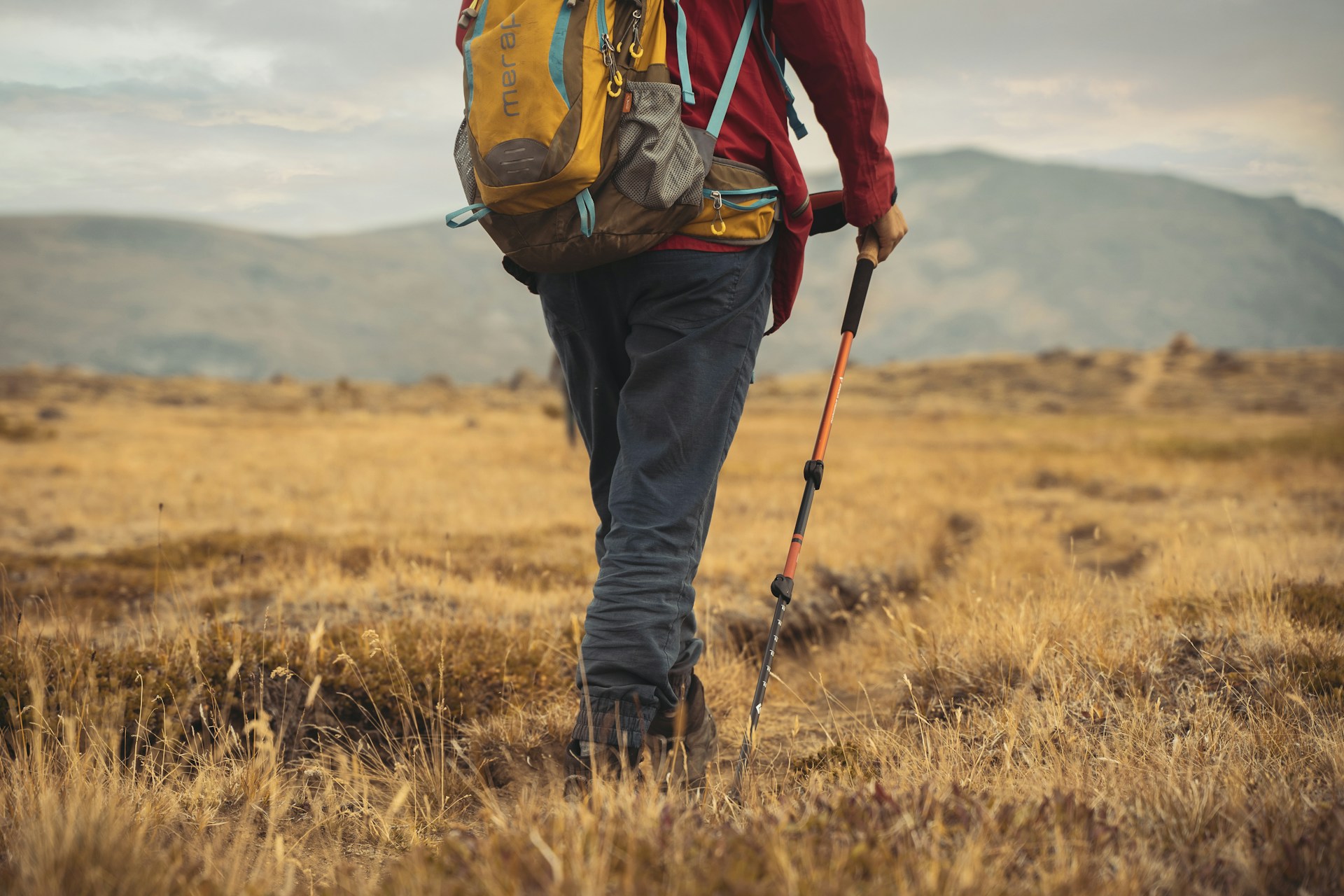
Hiker walking with trekking poles and a backpack in an open mountain landscape.

Greater stability on uneven terrain

One of the main benefits of trekking poles is the stability they provide while walking. On trails with loose stones, mud, snow, or steep slopes, having two additional points of support helps maintain better balance with each step.

This stability not only reduces the risk of falls but also generates greater confidence while advancing. In situations like river crossings, exposed steps, or slippery surfaces, poles allow for anticipating the terrain and better distributing body weight before fully placing the foot down.

On long routes, this constant stability translates to less physical and mental fatigue, as the need to continuously correct balance is reduced.

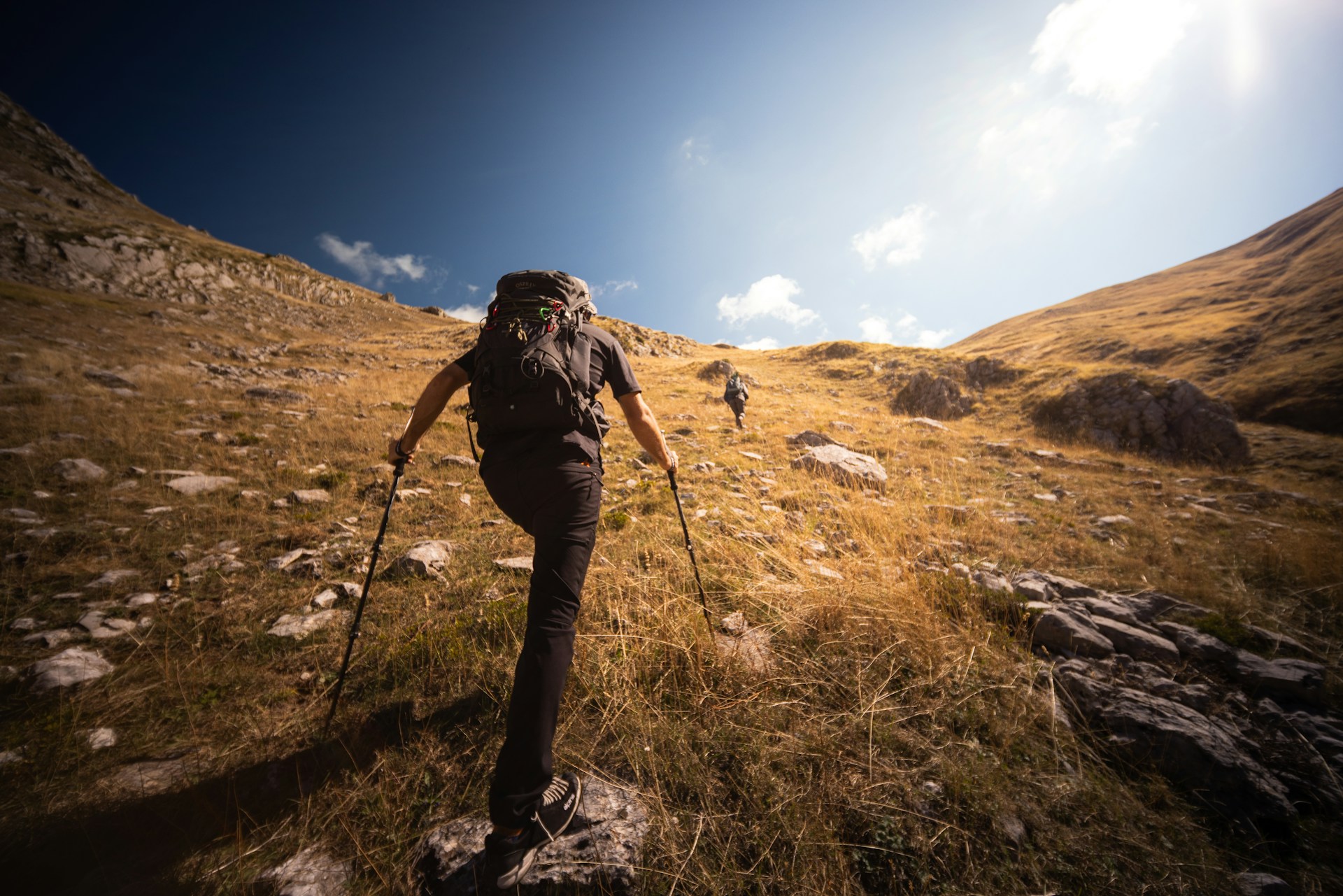
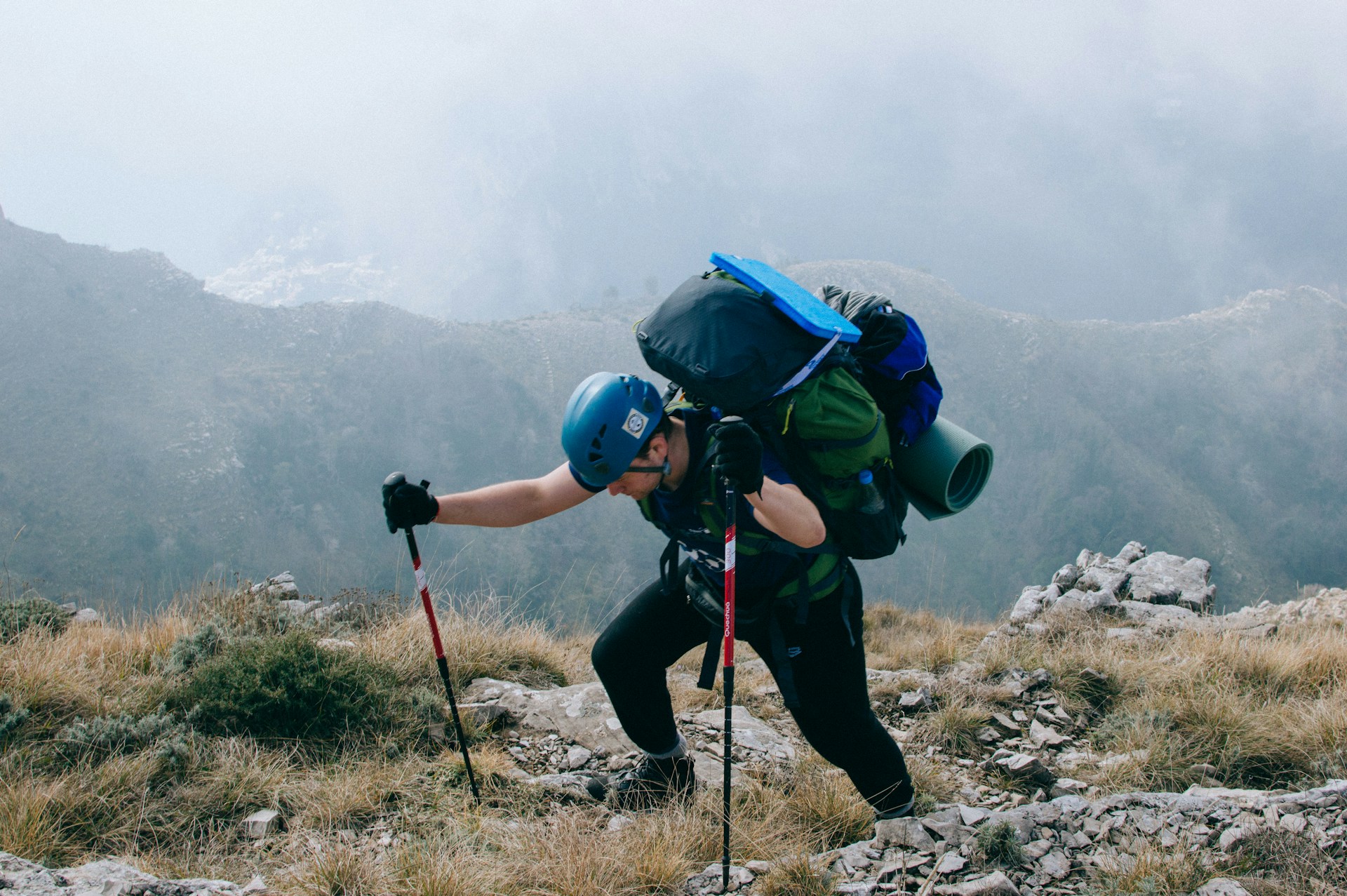
Hiker ascending a mountain with trekking poles and a backpack on rocky terrain.

Less impact on knees and joints

One of the most valued benefits of poles appears during descents. When going down steep slopes, the knees absorb much of the impact from body weight, especially if carrying a backpack.

Poles allow for transferring part of that load to the arms, decreasing pressure on the joints. This not only reduces fatigue but also helps prevent discomfort or injuries, especially on multi-day treks.

In the long run, this benefit is key for those who hike frequently, as it contributes to less accumulated physical wear.

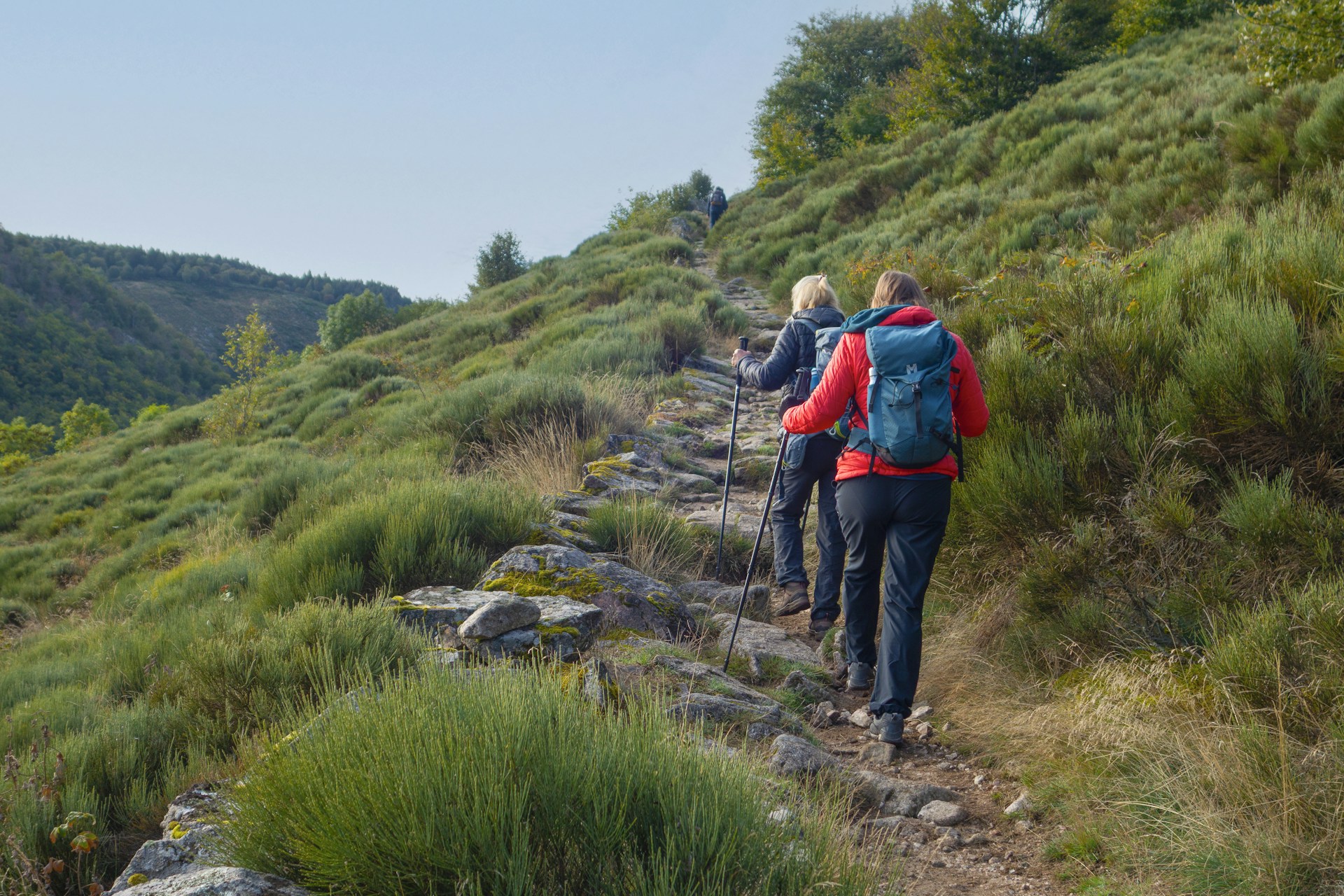
Group of hikers walking on a mountain trail with trekking poles and backpacks.

Better performance on ascents

On prolonged ascents, poles play an active role in progression. By leaning on them, additional momentum can be generated using the arms, allowing for better distribution of effort between the upper and lower body.

This more efficient use of the body helps maintain a steady pace and prevents all the load from falling solely on the legs. On demanding routes, this can make the difference between keeping a good rhythm or tiring out too soon.

Additionally, poles help maintain a more stable posture during the ascent, avoiding excessive inclinations that can generate tension in the lower back.

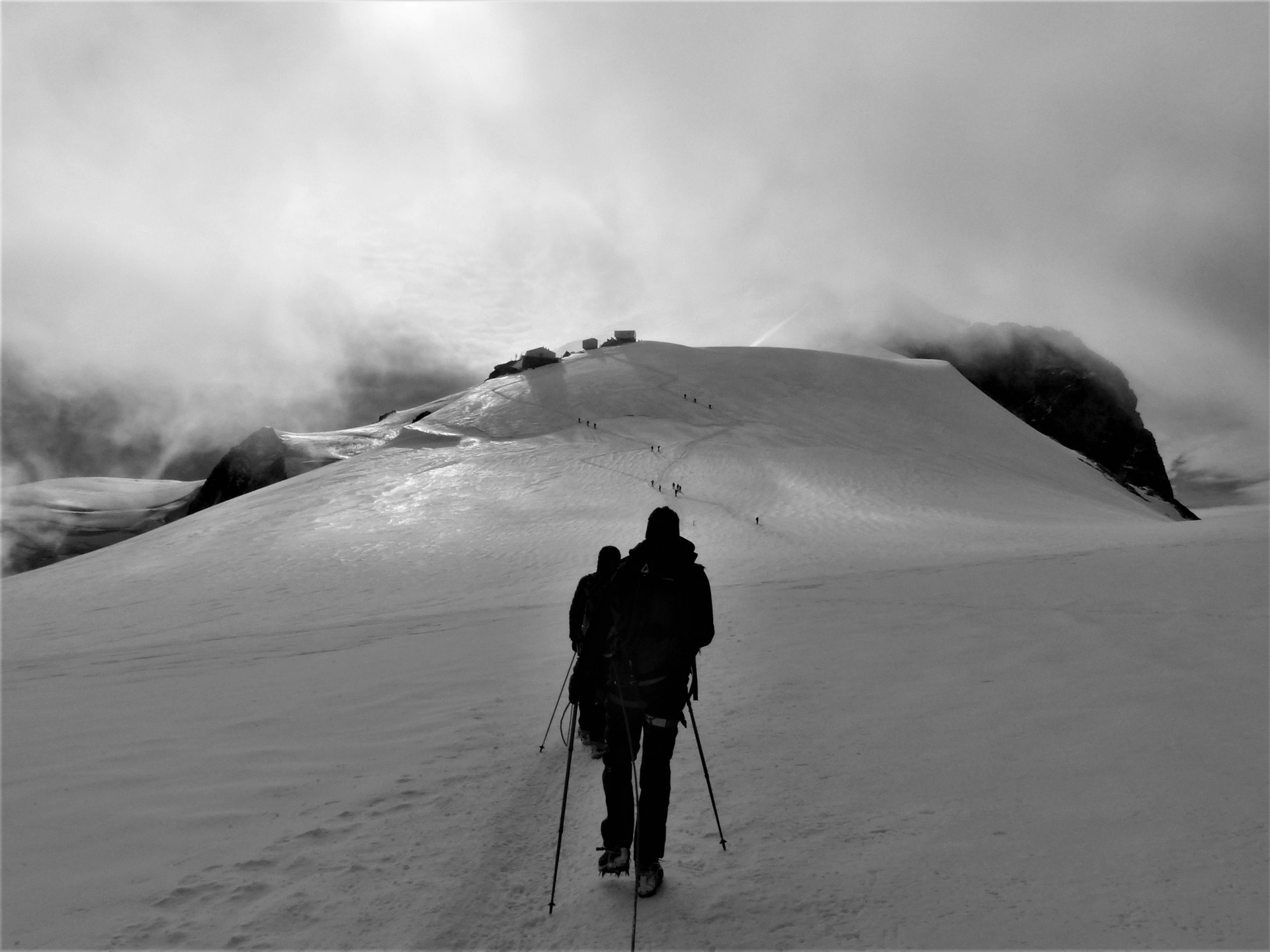
Hikers ascending a snowy mountain with trekking poles in high mountain conditions.

Improvement in walking technique

Beyond physical support, poles also influence the way of walking. When integrated correctly, they create coordination between arms and legs that improves cadence and movement efficiency.

This allows for smoother progress, especially on long or repetitive terrains. Instead of walking in a disorganized manner, poles help establish a more consistent rhythm, reducing energy expenditure.

Over time, their use also allows for better awareness of the terrain, anticipating irregularities and adapting foot placement more precisely.

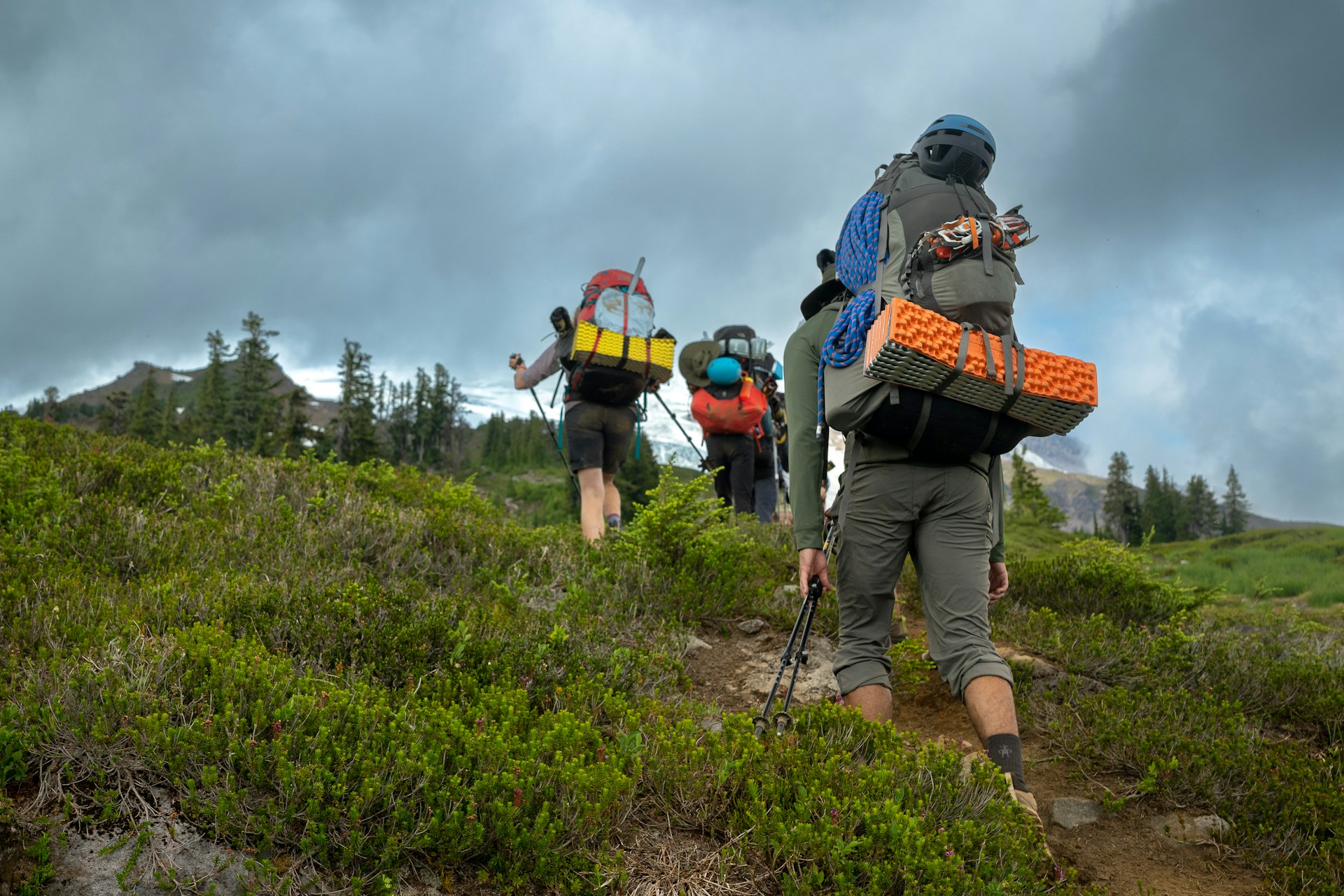
Group of hikers with trekking backpacks and camping gear walking on a mountain trail.

Greater safety in changing conditions

The mountain is a dynamic environment where conditions can change rapidly. The terrain can become slippery, the weather can affect visibility, or fatigue can influence stability.

In these scenarios, poles become a key support. They allow for better reactions to unforeseen events, stabilize the body during moments of fatigue, and maintain control in situations where balance is crucial.

This safety factor is especially relevant on routes with greater exposure or in adverse weather conditions.

Hiker ascending with a heavy backpack and trekking poles on challenging mountain terrain.

Adaptability and versatility on different routes

Trekking poles adapt to different types of terrain and levels of experience. They can be used on both gentle walks and more technical mountain routes.

Today, there are height-adjustable, foldable, and lightweight models, making them easy to transport when not in use. Additionally, many come with different types of tips and baskets that allow them to be adapted for snow, mud, or rocky terrain.

This versatility makes them a useful tool in practically any type of trekking.

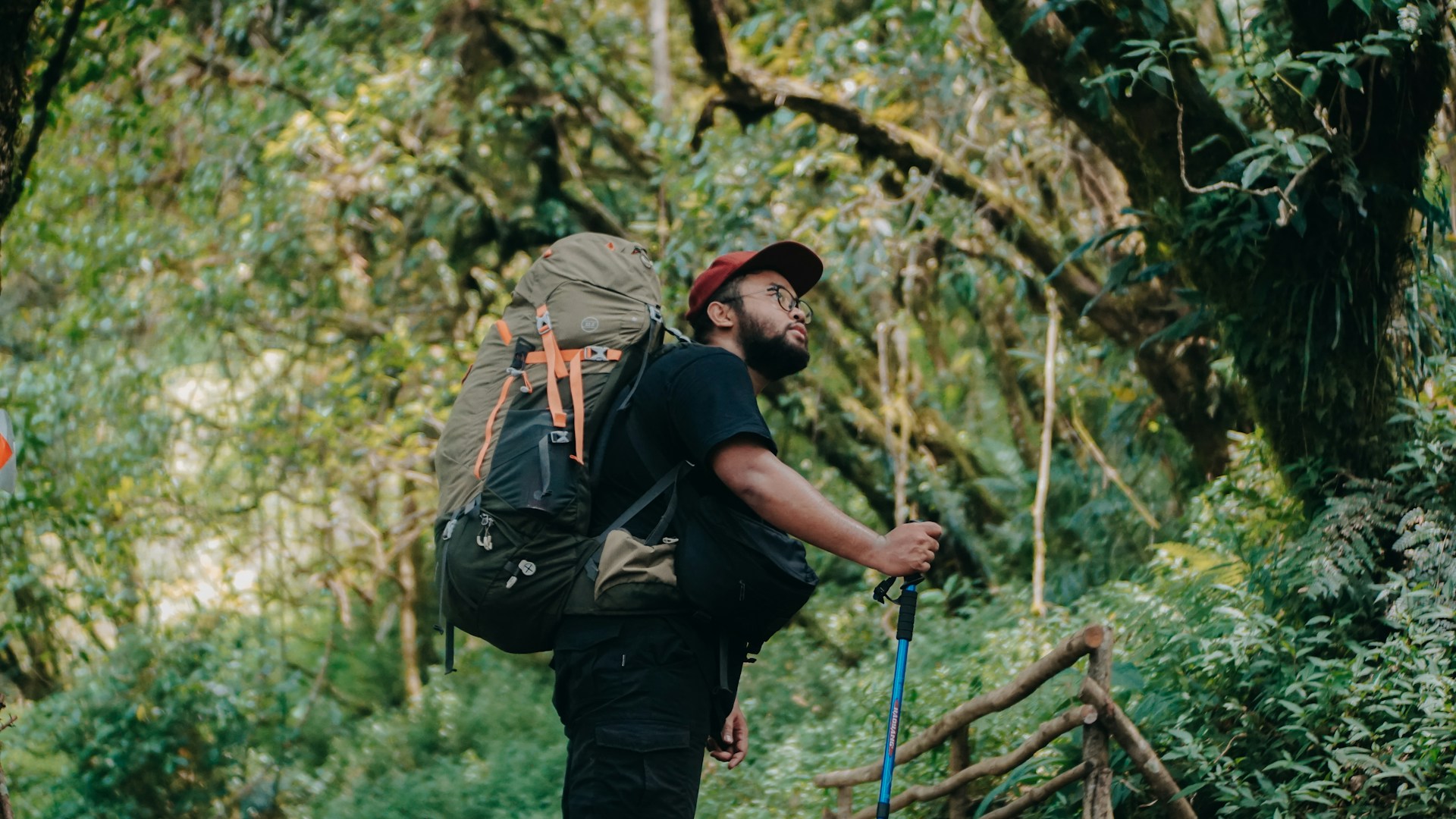
Hiker with a trekking backpack and pole walking on a trail in the forest.

A simple tool that enhances the experience

Incorporating trekking poles does not imply a complex change in the way of walking, but it can significantly transform the experience in the mountains. It's not about making less effort, but rather distributing it better, reducing impact on the body, and advancing with greater safety.

On long or demanding routes, small details make a big difference. And poles, although simple, fulfill precisely that role: improving efficiency, increasing stability, and allowing for a more confident enjoyment of the journey.

Ultimately, they are not essential for every hike, but once integrated correctly, it is hard to stop using them.

If you are planning a trekking outing, at Outdoor Index you can explore different available trekking experiences where many of them include trekking poles as part of the equipment, further facilitating your experience in the mountains.

Outdoor Index
@outdoorindex.cl

Tag

Trekking Outdoor index

Post a comment!


Comments