
Articles
Wildfires: the hardest footprint to erase
An article about wildfires, their real consequences, and the responsibility of not starting fires in prohibited places while traveling through nature.
Outdoor Index
@outdoorindex.cl
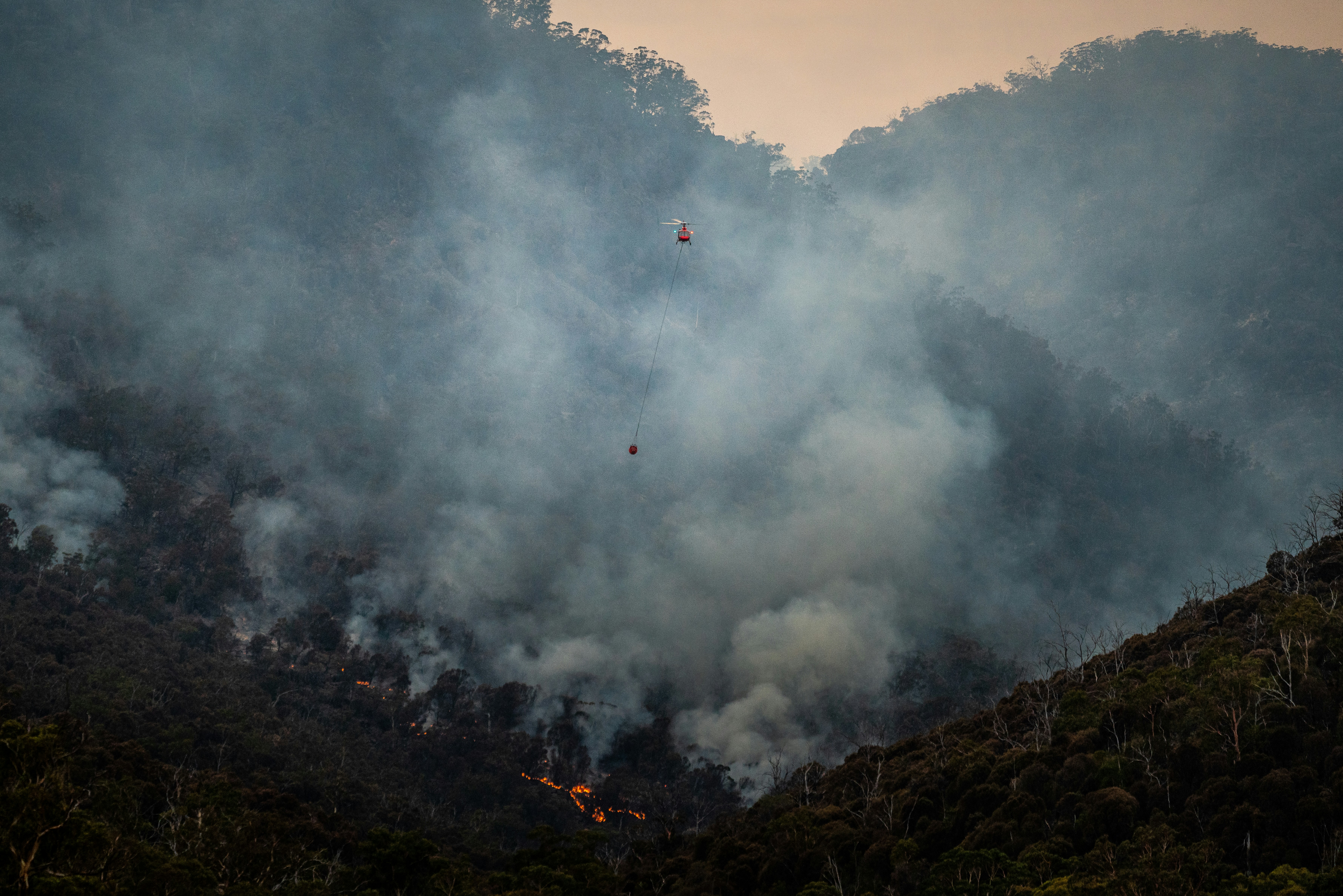
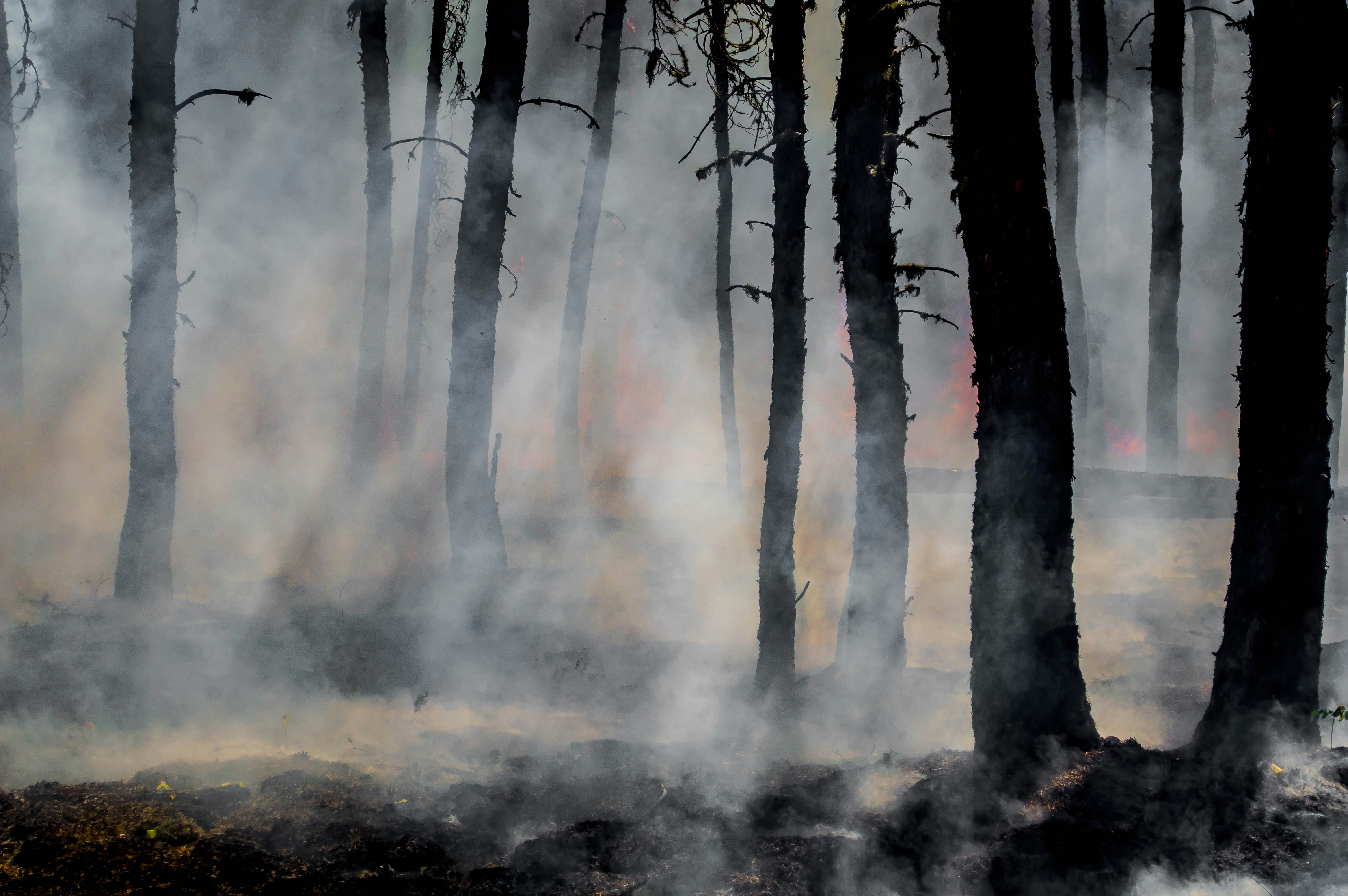
This article is different from many of the contents we usually share on the Outdoor Index blog. The images accompanying this text may seem harsh or uncomfortable to look at, but we believe they are necessary. Showing the reality of wildfires without filters is an honest way to raise awareness about the real consequences of our actions on nature. Sometimes, to understand the impact of our decisions, it is necessary to confront what we would rather not see.
Exploring national parks, walking on remote trails, camping, or traversing unique landscapes are profoundly transformative experiences. They connect us with nature and remind us why it is worth taking care of it. However, that privilege also implies a concrete responsibility. The irresponsible use of fire is one of the main causes of wildfires in Chile and around the world, and its effects leave marks that are not always repairable.
Lighting a campfire outside of designated areas may seem like a minimal or controlled gesture. In nature, however, there are no small mistakes. A single oversight can turn into a large-scale fire, capable of destroying in hours what took centuries to form.
At Outdoor Index, we believe that traveling also means protecting. Understanding why fire should not be lit in unauthorized places is essential to prevent wildfires and care for the ecosystems we visit.

Fire in natural environments and a risk that is often underestimated
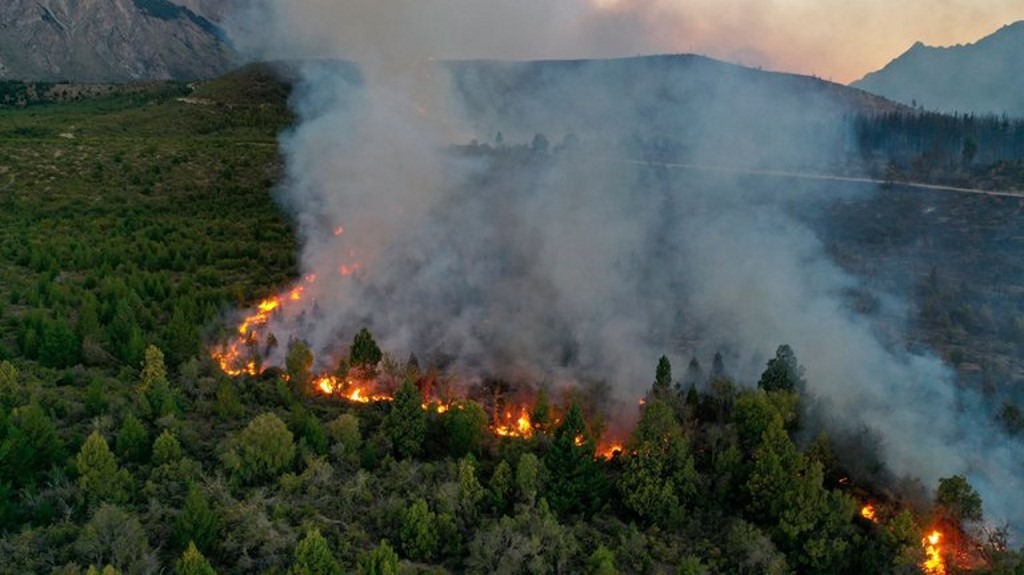
In natural environments, fire behaves unpredictably. Wind, topography, soil dryness, high temperatures, and flammable vegetation can cause a small flame to spread in a matter of minutes. Many wildfires start quietly, from poorly extinguished campfires, embers that remain active under the ash, or sparks carried by the wind. The use of fire in areas without firebreaks or safe surfaces also plays a role. A single spark or an ignited ember is enough to start a fire that can advance uncontrollably, even when people have already left the area.
The environmental impact and damage that takes decades to repair
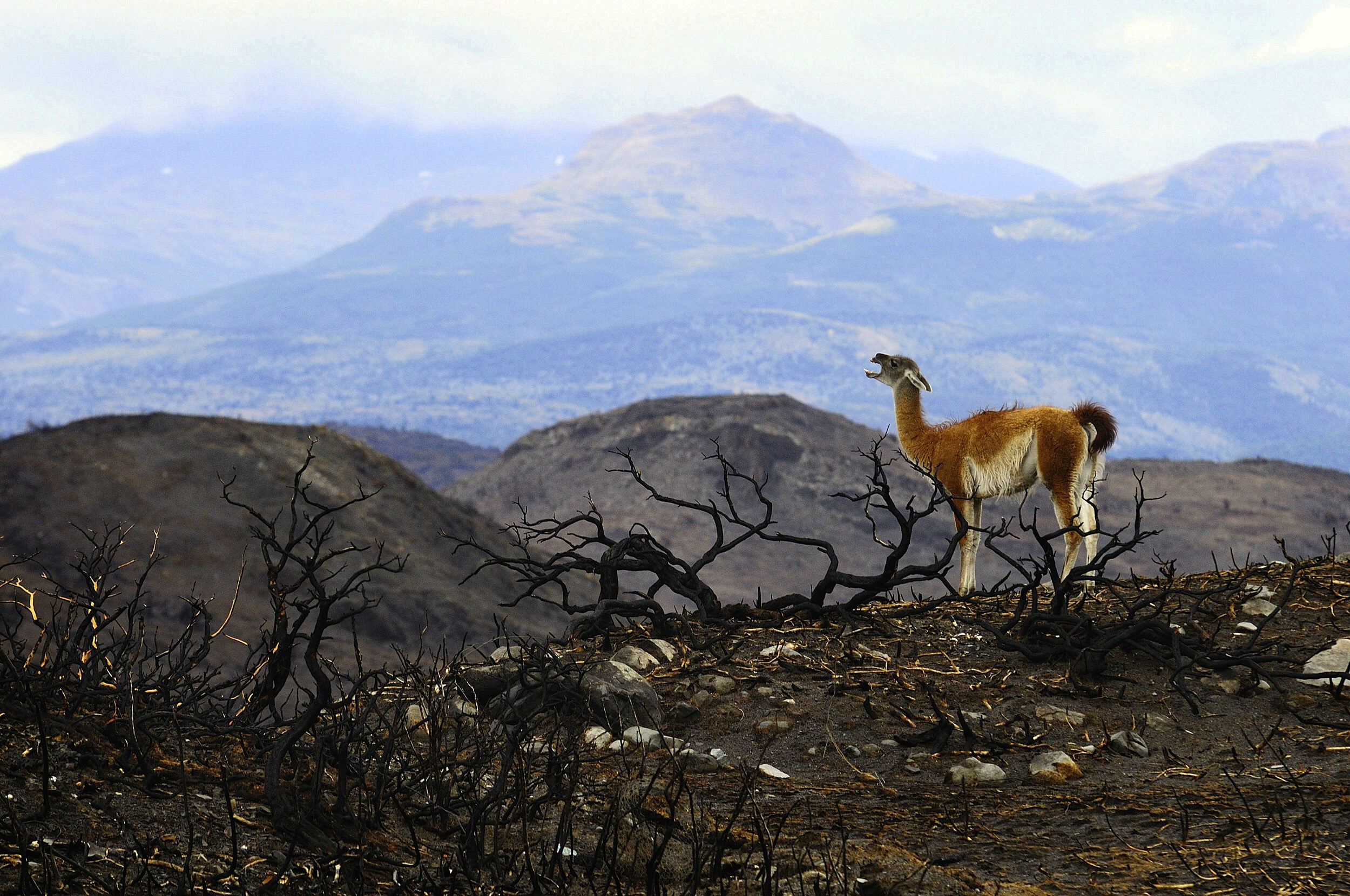
A wildfire not only burns trees. It affects entire ecosystems and disrupts extremely fragile natural balances. Its consequences extend for years and even generations. The loss of native forests and endemic vegetation, the death of wildlife, and the destruction of their habitats, soil degradation, and increased erosion are just some of the visible aftermaths. This is compounded by the alteration of watersheds and the decrease in water availability, along with slow, incomplete, or impossible natural regeneration processes.
In protected areas, these damages are even deeper. Many of these ecosystems do not exist anywhere else on the planet, and their loss is irreversible.
The real risks to people and communities
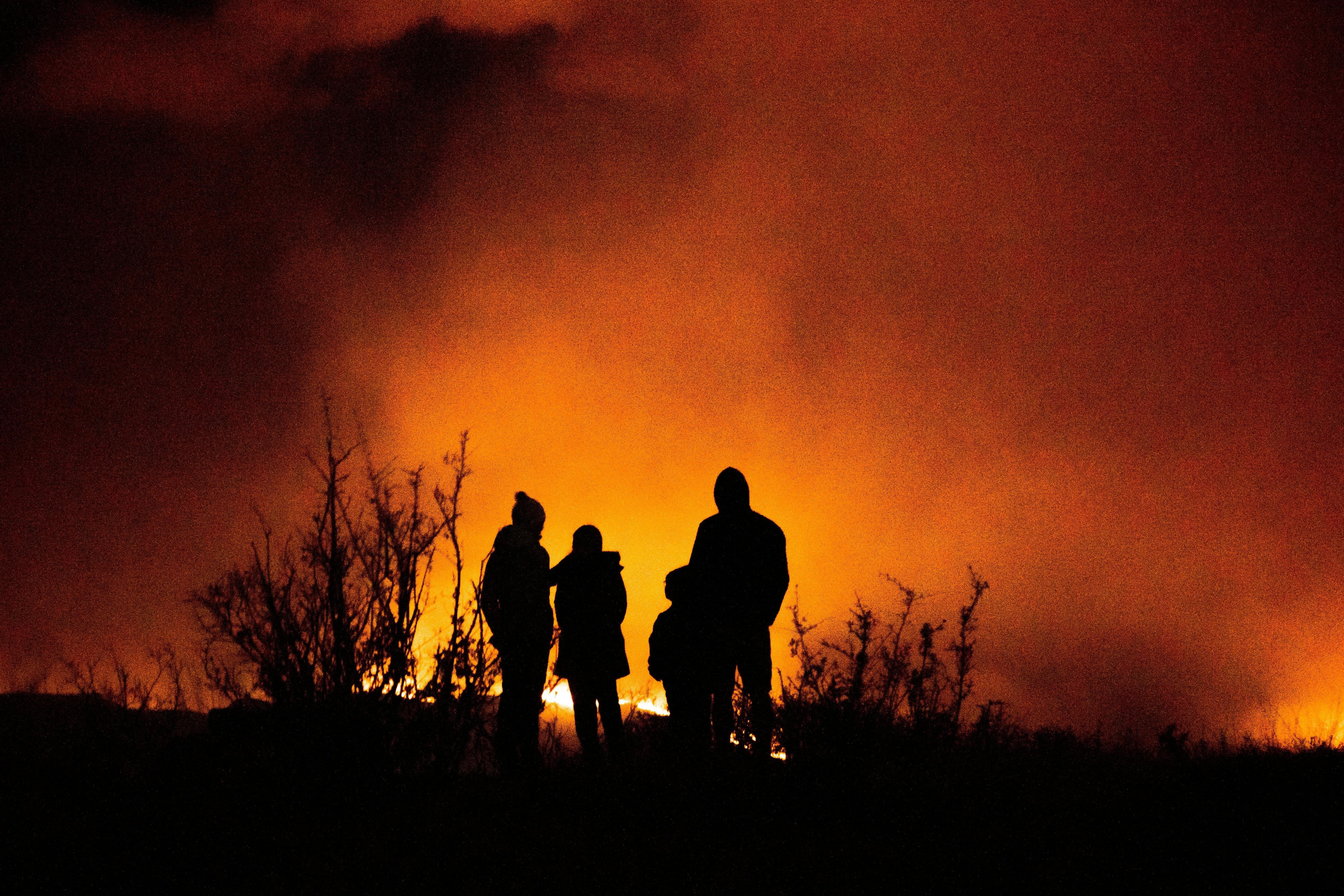
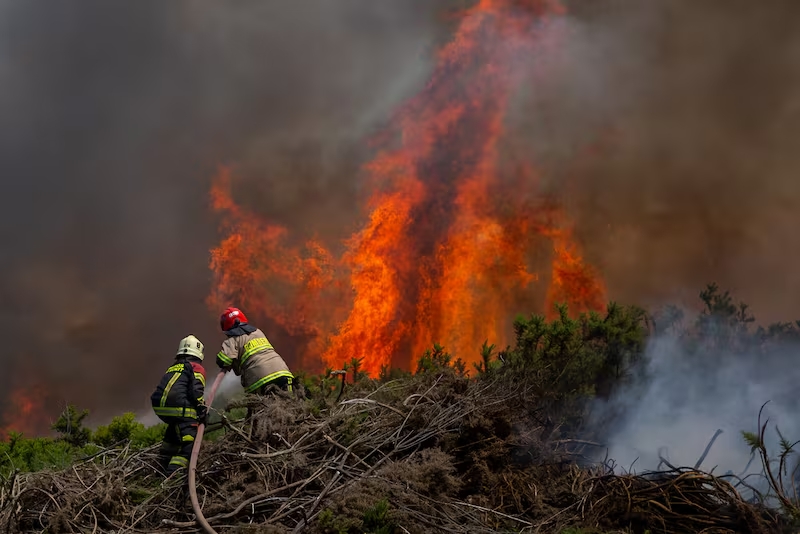
Wildfires do not only affect nature. They also pose a direct threat to people. Hikers, nearby rural communities, and forest firefighters face extreme situations when the fire advances uncontrollably. The human and social consequences can include emergency evacuations, loss of homes and infrastructure, serious injuries, and the risk of loss of human life. Additionally, there is an interruption of productive and tourist activities that directly impacts local economies.
This is compounded by the enormous economic cost of combating wildfires and trying to recover territories that often do not return to their original state.
The regulations in protected areas and why fire is not a personal decision
In national parks, nature reserves, and other protected wilderness areas, the use of fire is strictly regulated or completely prohibited. These rules exist to protect biodiversity, the safety of people, and natural heritage. In Chile, CONAF is the institution responsible for managing much of these areas and defining, only when conditions allow, specific zones where cooking or lighting fires is authorized under strict safety measures.
Lighting a fire outside of designated spaces constitutes a serious offense and can result in fines, legal penalties, and even criminal liability if a wildfire is caused.
Responsible outdoor tourism and the decisions that do make a difference
Those of us who engage in outdoor activities have a key role in preventing wildfires. Protecting nature does not depend solely on institutions or emergency brigades, but also on the individual decisions we make on each trip. Avoiding lighting campfires outside of authorized areas, refraining from fire during high-risk periods, using stoves only in permitted places, and ensuring that no embers or hot residues are left behind are simple actions that make a real difference. Similarly, not smoking in natural areas and always respecting signage and local regulations is an essential part of responsible tourism.
Traveling consciously means understanding that enjoying nature does not involve dominating it, but coexisting with it.
Education and awareness as the basis for prevention
The majority of wildfires are preventable. Environmental education and awareness of the impact of our actions are fundamental tools for reducing these events. Every traveler who informs themselves, respects the rules, and acts responsibly becomes an ally of conservation. Prevention begins with simple yet decisive decisions made before, during, and after each experience in nature.
A call to travel responsibly
Traveling and exploring nature is a privilege that should not be taken for granted. Every trail, every forest, and every national park exists thanks to a fragile balance that can be broken in seconds.
At Outdoor Index, we believe that outdoor tourism must go hand in hand with environmental awareness. Not lighting fires in unauthorized places is not just about complying with a rule; it is a concrete way to protect the life, landscapes, and experiences we love.
Caring for nature is a shared responsibility. Every responsible decision helps prevent wildfires and conserve these territories for those who will come after.
Exploring with respect is the only footprint worth leaving.
Outdoor Index
@outdoorindex.cl


Post a comment!
Comments