
Thermal blanket in trekking: a key element in an emergency
Discover why carrying a thermal blanket while trekking is key in an emergency, how it works, and how to use it if you need to spend the night in the mountains.
Outdoor Index
@outdoorindex.cl
When planning a trekking outing, most people focus on the forecasted weather, the distance of the route, the elevation gain, and the necessary equipment for the day. In many cases, the intention is to complete the route during the day and return without major difficulties. However, the mountain is a dynamic and demanding environment, where conditions can change suddenly and a seemingly controlled situation can turn into an emergency.
A fall, an injury, losing the trail, extreme exhaustion, or a sudden change in weather can force one to stop and, in some cases, spend the night in the mountain without shelter. In that scenario, the cold quickly becomes one of the main risk factors. This is where the thermal blanket, also known as an emergency blanket, goes from being a secondary item to a key piece of safety equipment.
Knowing what a thermal blanket is, how it works, and how to use it correctly is part of the basic preparation for any mountain activity. In a critical situation, this knowledge can make a real difference in the ability to maintain body temperature and face the emergency safely.
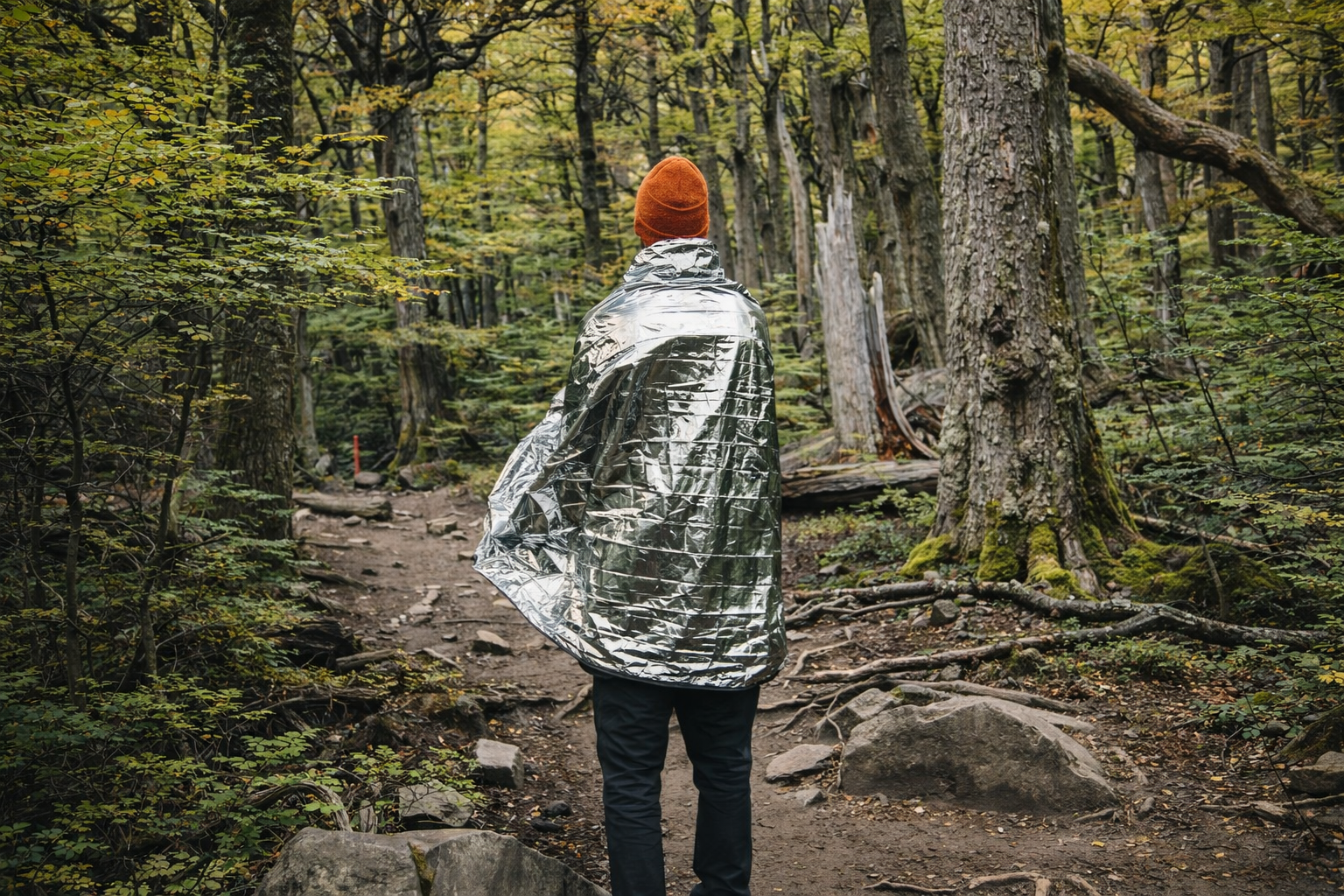
What is a thermal blanket and what was it designed for
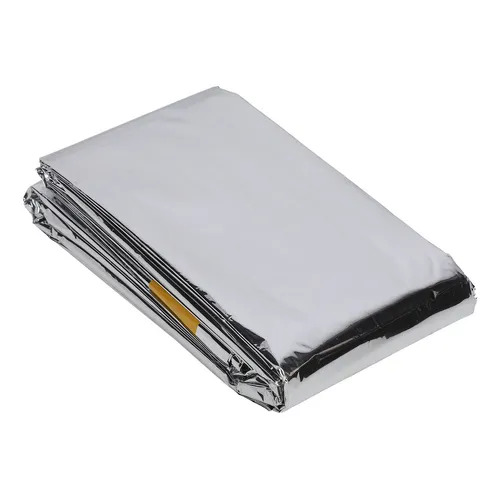
The thermal blanket is a very thin sheet usually made of metallized polyester, known as Mylar. Although its appearance may seem fragile, it is specifically designed to reduce the loss of body heat in emergency situations.
Unlike traditional warm clothing or a blanket, the thermal blanket does not generate heat by itself. Its main function is to retain the heat that the human body naturally produces. To achieve this, it uses a highly reflective surface that returns much of that heat back to the body, creating an effective barrier against cold, wind, and moisture.
Thanks to its lightweight and compact size, it can be easily carried in any backpack, even on short outings where spending the night outdoors is not considered.
How the human body loses heat in the mountain
In mountain environments, the human body loses heat more rapidly than in controlled settings. This is due to a combination of factors such as wind, humidity, altitude, contact with cold surfaces, and reduced movement in emergency situations.
Body heat is primarily lost through radiation, when the body emits heat into the environment; through convection, when the wind displaces the warm air surrounding the skin; through conduction, when there is direct contact with the ground, rock, or snow; and through evaporation, especially when clothing is wet from sweat, rain, or snow.
When a person stops due to an injury or exhaustion, heat production decreases significantly. This explains why hypothermia can develop even at moderate temperatures, especially when wind and humidity are combined.
How a thermal blanket works from a technical perspective
The thermal blanket primarily acts by reducing heat loss through radiation, one of the most relevant forms of heat loss in exposed individuals. Its metallized surface reflects between 80 and 90 percent of body heat back towards the body, helping to stabilize internal temperature.
By wrapping the body, it also reduces the impact of wind, decreasing heat loss through convection, and limits evaporation by reducing cold air contact with the skin or wet clothing. Although it is not a thermal insulator in the traditional sense, the combined effect on these mechanisms makes it a very efficient tool in emergency contexts.
Why a thermal blanket is key when spending the night in the mountain
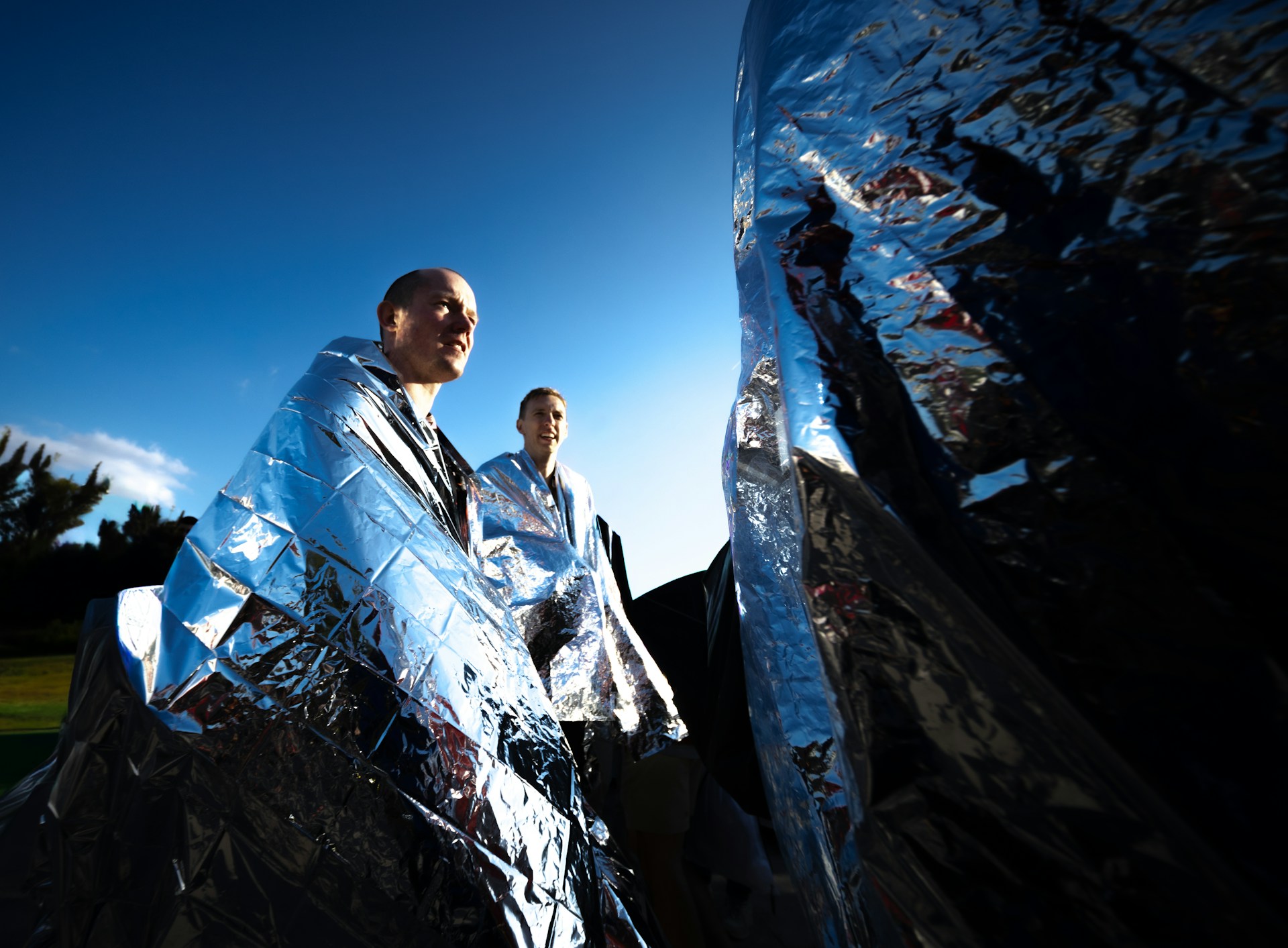
When an emergency forces one to remain still or spend the night in the mountain, the main objective is to conserve energy and avoid excessive loss of body heat. At night, temperatures drop, the wind often intensifies, and humidity increases, significantly raising the risk of hypothermia.
In this context, the thermal blanket allows for the creation of an additional layer of protection that helps retain heat for several hours. This can be crucial while waiting for help, improving the weather, or resuming the descent at dawn.
Even when equipped with a sleeping bag or warm clothing, the thermal blanket can be used as a complement to enhance insulation and reduce heat loss.
Additional uses of the thermal blanket in emergency situations
In addition to retaining body heat, the thermal blanket is a versatile tool in mountain emergencies. Its reflective and waterproof material allows it to be used to create improvised shelters, blocking wind, rain, or snow, and generating a more protected space with the help of poles, backpacks, or branches.
It also plays an important role as a signaling element. Its metallized surface reflects sunlight intensely and can create visible flashes from a great distance, facilitating location by rescue teams, helicopters, or other people in the area.
Additionally, it can be used as ground insulation, protection for equipment, or a barrier against moisture, further expanding its utility in a critical situation.
How to properly use a thermal blanket in an emergency
In an emergency situation, the first objective is to reduce exposure to cold and wind. Whenever possible, seek a protected location using natural elements such as rocks, depressions, or vegetation.
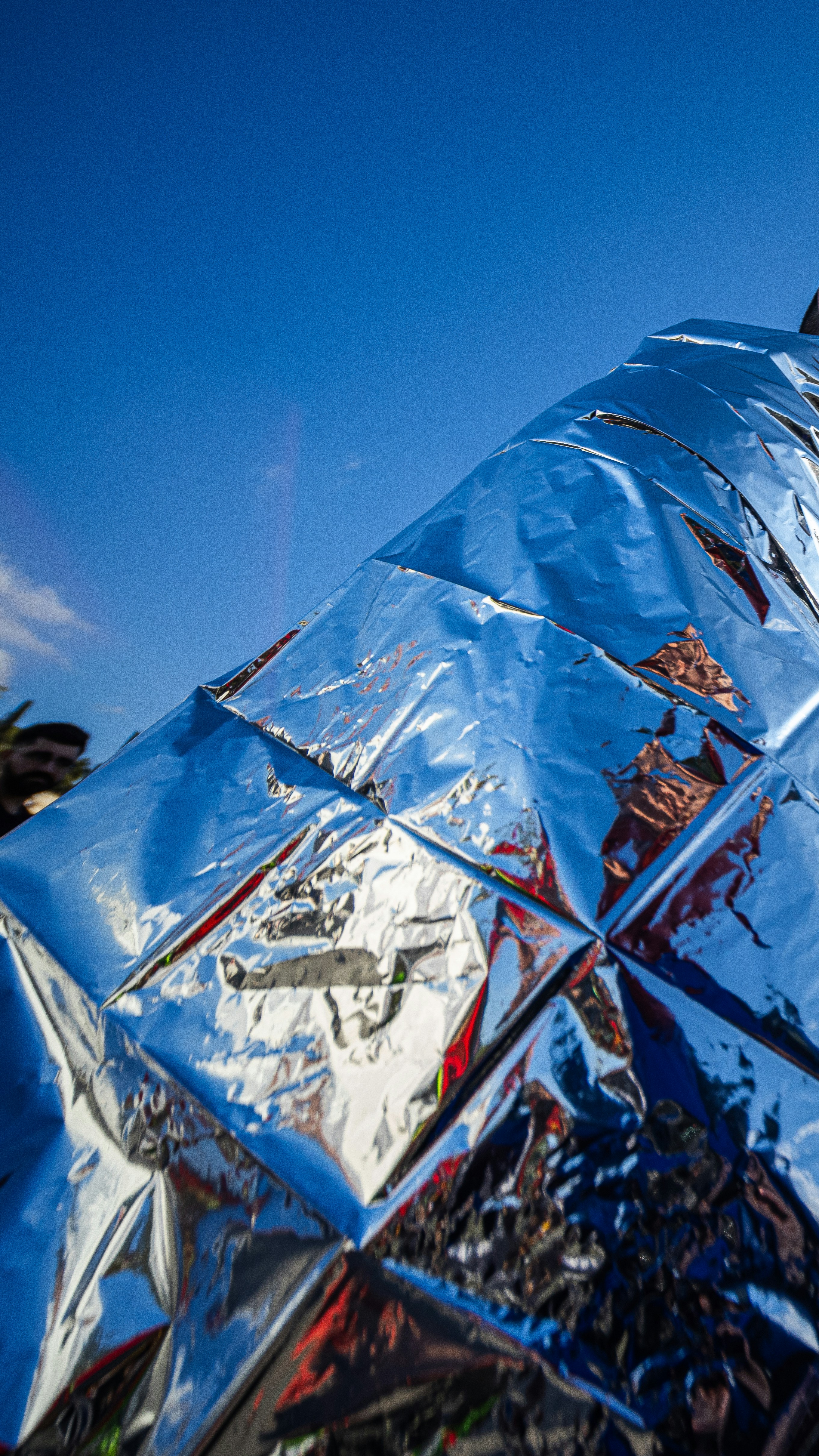
The thermal blanket should be used to wrap the entire body, prioritizing the torso, where vital organs are concentrated. In most cases, it is recommended to place the reflective side towards the body to maximize heat retention.
It is essential to isolate the body from the ground, as it absorbs much of the heat through conduction. Backpacks, extra clothing, or other available items can be used as a base. If the person is wet, changing into dry clothing before using the blanket significantly improves its effectiveness.
Common mistakes and false expectations
One of the most common mistakes is thinking that the thermal blanket generates heat. In reality, its function is to conserve existing heat. If the body has already lost a significant amount of temperature, the blanket alone will not be sufficient, although it can help slow deterioration while rescue is managed.
It is also common not to secure it properly, allowing wind to enter and reduce its effectiveness. Although it is durable, it should be handled carefully to avoid damage.
The thermal blanket and the prevention of hypothermia
Hypothermia occurs when body temperature drops below 35 °C. Its early symptoms include shivering, clumsiness, confusion, and difficulty making decisions, which can quickly worsen an emergency situation in the mountain.
The thermal blanket does not replace evacuation or medical attention, but it is a key tool for buying time and stabilizing a person exposed to the cold.
Preparation and responsibility in mountain activities
Carrying a thermal blanket is not a sign of fear or lack of experience. It is a demonstration of preparation and respect for the environment. Its weight and volume are minimal, but its impact in a critical situation can be enormous.
The mountain is a wonderful but demanding environment, and preparing for the unexpected is part of enjoying it safely.
"When an emergency forces you to spend the night in the mountain, the cold does not give second chances. In that scenario, a thermal blanket can become the most important piece of equipment."
If you are planning your next adventure, choosing routes that match your experience and having clear information is also part of that preparation. Therefore, we invite you to check the available trekking experiences on Outdoor Index.


